Understanding full coverage car insurance is crucial for drivers who want to ensure they are adequately protected on the road.
We will explore the components of full coverage car insurance and how it can provide comprehensive financial protection against various risks.

What Does Full Coverage Car Insurance Include?
Having the right insurance coverage can make a significant difference in the event of an accident or other unforeseen circumstances.
By grasping what full coverage car insurance entails, drivers can make informed decisions about their insurance needs.
Key Takeaways
- Full coverage car insurance provides comprehensive financial protection.
- It includes various components that cover different risks.
- Understanding the details is crucial for making informed decisions.
- Drivers can benefit from having adequate insurance coverage.
- It helps protect against financial losses in unforeseen circumstances.
Understanding Full Coverage Car Insurance
When it comes to car insurance, the term 'full coverage' is often misunderstood. Many drivers assume it means complete protection against all possible risks, but in reality, it encompasses a combination of different coverage types that together provide comprehensive protection.
The Myth of "Full Coverage"
The term "full coverage" can be misleading. It's not a single type of insurance coverage but rather a bundle of different coverages designed to provide broad protection against various risks. This includes liability, comprehensive, and collision coverage, among others.
How Insurance Companies Define Comprehensive Policies
Insurance companies define comprehensive policies, or full coverage, as a package that includes liability coverage, comprehensive coverage car insurance, and collision coverage. Comprehensive coverage car insurance protects against non-collision damages, such as theft or natural disasters, while collision coverage pays for damages resulting from accidents.

full coverage car insurance
Why Drivers Choose Full Coverage
Drivers choose full coverage car insurance for the peace of mind it offers. Knowing they have broad protection against various risks can be reassuring. As one insurance expert puts it, "Having full coverage is like having a safety net; it protects your financial well-being in case of unexpected events." This comprehensive protection is particularly valuable for drivers with new or valuable vehicles.
By understanding what full coverage car insurance includes and how it works, drivers can make more informed decisions about their insurance needs.
What Does Full Coverage Car Insurance Include?
The specifics of full coverage car insurance can be complex, involving multiple components that work together to provide financial protection. At its core, a full coverage policy is designed to safeguard against various risks associated with driving.
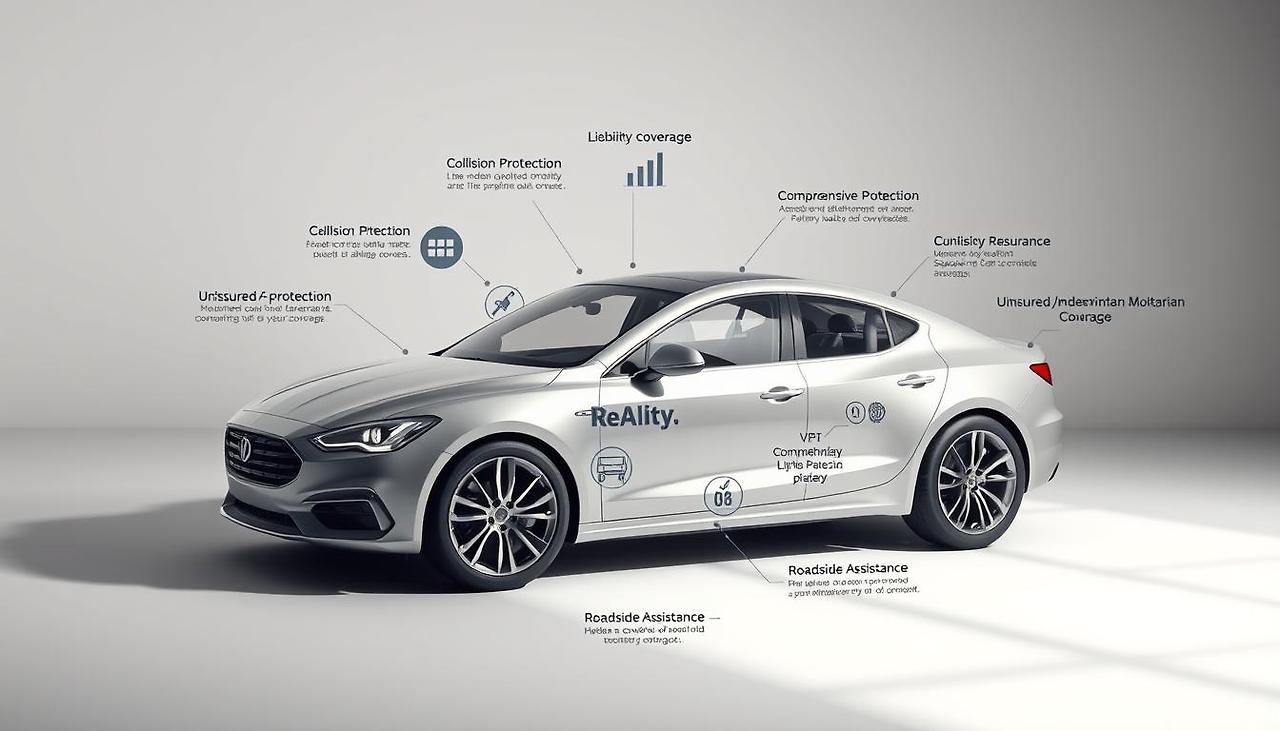
full coverage car insurance components
Core Coverages in a Full Coverage Policy
A typical full coverage car insurance policy includes several key components. First and foremost, liability coverage car insurance is a fundamental aspect, which covers damages to others in the event of an accident where you're at fault. This includes both bodily injury liability and property damage liability.
In addition to liability coverage, full coverage policies often include comprehensive and collision coverage. Comprehensive coverage handles damages to your vehicle not caused by accidents, such as theft, vandalism, or natural disasters. Collision coverage, on the other hand, pays for damages to your vehicle resulting from a collision, regardless of fault.
Optional Add-ons and Endorsements
Beyond the core coverages, insurance companies offer various optional add-ons and endorsements to enhance your policy. These can include uninsured motorist coverage, which protects you if you're involved in an accident with someone who doesn't have insurance, and medical payments coverage, which helps cover medical expenses for you and your passengers.
Coverage Limits and Deductibles Explained
Understanding coverage limits and deductibles is crucial when selecting a full coverage policy. Coverage limits refer to the maximum amount your insurance company will pay for a covered loss. Deductibles, on the other hand, are the amounts you must pay out of pocket before your insurance kicks in. Balancing these elements is key to ensuring you have adequate protection without overpaying.
When choosing a full coverage car insurance policy, it's essential to consider what it includes and how it aligns with your needs. By understanding the core coverages, optional add-ons, and how coverage limits and deductibles work, you can make an informed decision about your insurance.
Liability Coverage: The Foundation of Your Policy
Understanding liability coverage is key to making informed decisions about your car insurance. It is a fundamental component that protects you financially in case you are responsible for an accident.
liability coverage car insurance
Bodily Injury Liability Protection
Bodily injury liability protection covers the medical expenses of others if you are at fault in an accident. This includes compensation for lost wages, pain, and suffering.
Property Damage Liability Coverage
Property damage liability coverage pays for damages to other people's property, such as their vehicle or other structures.
State Minimum Requirements vs. Recommended Coverage
While state minimum requirements vary, they often fall short of providing adequate protection. We recommend considering higher coverage limits to safeguard your assets.
Common Liability Coverage Limits
Common liability coverage limits range from $100,000 to $500,000. Choosing the right limit depends on your financial situation and risk tolerance.
When Higher Liability Limits Make Sense
Higher liability limits make sense if you have significant assets to protect or if you are at a higher risk of being sued.
By understanding the different aspects of liability coverage, you can make a more informed decision about your car insurance policy.
Protecting Your Vehicle: Comprehensive and Collision Coverage
When it comes to safeguarding your vehicle, comprehensive and collision coverage are two essential components of a full coverage car insurance policy.
These coverages protect your vehicle against different types of risks, ensuring that you're not left with significant financial losses in the event of an accident or other damage.
Comprehensive Coverage Car Insurance Explained
Comprehensive coverage car insurance protects your vehicle against damages that are not related to an accident.
This includes theft, vandalism, natural disasters, and animal collisions.
What's Covered Under Comprehensive Insurance
Comprehensive insurance covers a wide range of incidents, including:
- Theft of your vehicle
- Vandalism or malicious damage
- Damage from natural disasters like hurricanes, floods, or wildfires
- Collisions with animals
- Fire damage
Comprehensive Deductibles and Limits
Comprehensive coverage typically comes with a deductible, which is the amount you must pay out of pocket before your insurance kicks in.
The deductible amount can vary based on your policy, and choosing a higher deductible can lower your premium.
| Deductible Amount | Premium Cost | Out-of-Pocket Cost in Case of Claim |
| $500 | $800/year | $500 |
| $1000 | $600/year | $1000 |
Collision Coverage Car Insurance Breakdown
Collision coverage car insurance pays for damages to your vehicle if you're involved in an accident, regardless of who's at fault.
When Collision Coverage Applies
Collision coverage applies in various scenarios, including:
- Accidents involving another vehicle
- Crashing into an object like a tree or a guardrail
- Rolling over
Collision Deductibles and Claims Process
Like comprehensive coverage, collision coverage comes with a deductible.
The claims process typically involves reporting the incident to your insurance provider, providing necessary documentation, and waiting for the assessment and repair of your vehicle.
Additional Protections in Full Coverage Policies
Beyond the core coverages, full coverage car insurance policies often include additional protections to enhance your insurance experience. These extra layers of protection can provide financial security in various scenarios, ensuring you're well-covered on the road.
Uninsured Motorist Coverage Car Insurance
Uninsured motorist coverage is a crucial component that protects you if you're involved in an accident with a driver who doesn't have insurance. This coverage helps pay for medical expenses or damages to your vehicle.
Protection Against Uninsured Drivers
Uninsured motorist coverage kicks in when an uninsured driver causes an accident, helping to cover costs that would otherwise be borne by you. This can be a significant financial relief, especially if you're not at fault.
Underinsured Motorist Coverage Benefits
If you're hit by a driver who has insurance but not enough to cover all the damages, underinsured motorist coverage can bridge the gap. This ensures that you're not left with significant out-of-pocket expenses.
Medical Payments Coverage Car Insurance
Medical payments coverage is another valuable addition to full coverage policies. It helps pay for medical expenses resulting from a car accident, regardless of who's at fault.
How Medical Payments Coverage Works
This coverage typically covers medical bills, surgical procedures, and sometimes even funeral expenses if the worst happens. It's a straightforward way to ensure that medical costs don't become a burden after an accident.
Differences Between Med Pay and PIP
While both medical payments coverage and Personal Injury Protection (PIP) cover medical expenses, PIP often includes additional benefits like lost wages and other related costs. Understanding the differences can help you choose the right coverage for your needs.
Supplemental Coverage Options
Supplemental coverage options can further enhance your full coverage policy. These include gap insurance, rental car reimbursement, and roadside assistance.
Gap Insurance
Gap insurance covers the "gap" between the actual cash value of your vehicle and the amount you owe on your loan or lease if your car is totaled. This can be a significant saving if you're upside-down on your car loan.
Rental Car Reimbursement
Rental car reimbursement coverage pays for a rental car if your vehicle is being repaired after an accident. This ensures you have transportation while your car is in the shop.
Roadside Assistance
Roadside assistance provides help in case you experience a breakdown or other roadside emergencies. Services often include towing, fuel delivery, and lockout service.
To illustrate the benefits and costs associated with these additional protections, consider the following comparison:
| Coverage Type | Typical Benefits | Average Annual Cost |
| Uninsured Motorist Coverage | Protection against uninsured drivers | $50-$100 |
| Medical Payments Coverage | Covers medical expenses after an accident | $20-$50 |
| Gap Insurance | Covers the gap between vehicle's actual cash value and loan/lease balance | $20-$50 |
| Rental Car Reimbursement | Pays for rental car during vehicle repairs | $10-$30 |
| Roadside Assistance | Provides emergency services like towing and fuel delivery | $20-$50 |
Conclusion: Choosing the Right Coverage for Your Needs
When it comes to full coverage car insurance, understanding what it includes is crucial for making informed decisions about your policy. We've explored the various components that make up a comprehensive full coverage car insurance policy, from liability coverage to comprehensive and collision coverage, and additional protections like uninsured motorist coverage.
Choosing the right coverage involves assessing your individual needs, considering factors such as your vehicle's value, your financial situation, and your risk tolerance. Full coverage car insurance provides extensive protection, but it's essential to balance this with the cost of premiums and deductibles.
By carefully evaluating your options and understanding what does full coverage car insurance include, you can select a policy that provides the right level of protection for you and your vehicle. This ensures you're adequately covered in the event of an accident or other unforeseen circumstances, giving you peace of mind on the road.
FAQ
What does full coverage car insurance typically include?
We find that full coverage car insurance typically includes liability coverage, comprehensive coverage, and collision coverage. These components work together to provide a robust protection plan for drivers, covering damages to others, their own vehicle, and themselves in various scenarios.
Is full coverage car insurance mandatory?
A: We clarify that while full coverage is not mandated by law, lenders often require it for financed or leased vehicles. Additionally, having full coverage can provide significant financial protection and peace of mind for many drivers.
What is the difference between comprehensive and collision coverage?
We explain that comprehensive coverage pays for damages to a vehicle not caused by a collision, such as theft, vandalism, or natural disasters. Collision coverage, on the other hand, covers damages resulting from a collision with another vehicle or object, regardless of fault.
How do I choose the right deductible for my comprehensive and collision coverage?
We advise that when selecting a deductible, consider both the premium cost and the potential out-of-pocket expenses in the event of a claim. A higher deductible typically lowers premiums but increases the upfront cost when filing a claim.
What is uninsured motorist coverage, and do I need it?
We note that uninsured motorist coverage protects against drivers without insurance or with insufficient coverage. Given the number of uninsured drivers on the road, this coverage can be a valuable addition to a full coverage policy, helping to ensure that medical expenses and vehicle repairs are covered.
How does medical payments coverage work?
We outline that medical payments coverage, or Med Pay, helps cover medical expenses for the driver and passengers following an accident, regardless of fault. This coverage can be particularly useful in covering immediate medical costs.
Can I customize my full coverage car insurance policy with additional features?
We confirm that yes, many insurance providers offer supplemental coverage options such as gap insurance, rental car reimbursement, and roadside assistance. These add-ons can enhance the overall protection and convenience of a full coverage policy, tailoring it to individual needs.
What factors influence the cost of full coverage car insurance?
We identify that several factors impact the cost, including the driver's history, vehicle type, location, coverage limits, and deductibles. Understanding these factors can help in making informed decisions to potentially lower premiums.
'Auto Insurance' 카테고리의 다른 글
| How to Lower Your Auto Insurance Premiums (0) | 2025.05.02 |
|---|---|
| Top 5 Auto Insurance Companies with Low Rates (0) | 2025.05.02 |
| Cheapest Car Insurance in USA by State (2025 Guide) (0) | 2025.05.02 |
| Compare Auto Insurance Quotes Online Instantly (0) | 2025.05.02 |
| Best Auto Insurance for Teen Drivers in the USA (0) | 2025.05.02 |


