Choosing the right life insurance is a crucial decision that can significantly impact your financial security and peace of mind. With various options available, understanding the differences between them is essential.
When considering life insurance, two popular types often come into focus: term and whole life insurance. While both serve the primary purpose of providing a financial safety net, they cater to different needs and offer distinct benefits.
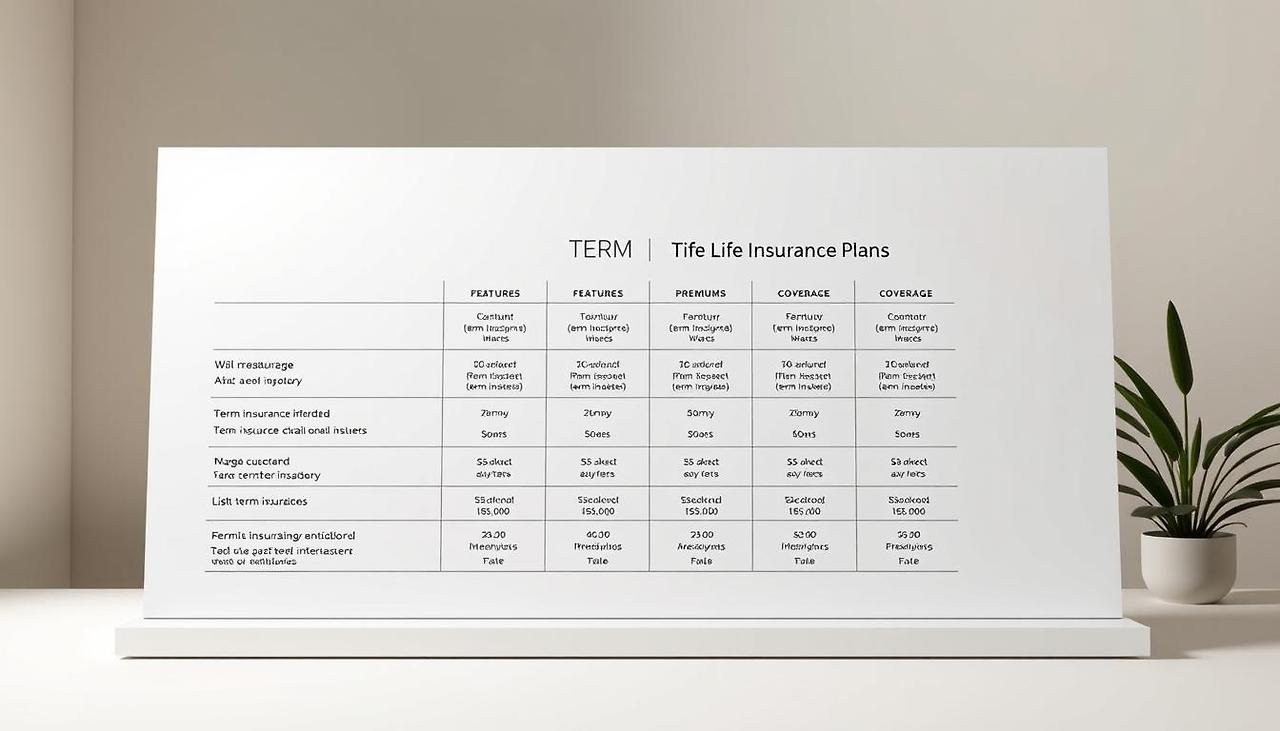
Term vs Whole Life Insurance: Which is Better
As we explore the nuances of term vs whole life insurance, we will help you identify which type aligns best with your financial goals and circumstances.
Key Takeaways
- Understanding the fundamental differences between term and whole life insurance is crucial.
- Term life insurance provides coverage for a specified period.
- Whole life insurance offers lifetime coverage along with a cash value component.
- Your choice between term and whole life insurance should be based on your financial goals and needs.
- Assessing your current financial situation and future plans is essential in making this decision.
Understanding the Basics of Life Insurance
Navigating the world of life insurance can be daunting, but understanding its basics is crucial. Life insurance serves as a financial safety net for your loved ones in the event of your passing. Essentially, it provides a payout to your beneficiaries, helping them cover funeral expenses, outstanding debts, and ongoing living costs. There are primarily two types of life insurance: term life insurance and whole life insurance.
What is Term Life Insurance?
Term life insurance offers coverage for a specified period, usually ranging from 10 to 30 years. It pays a death benefit if you pass away during the term. If you outlive the term, coverage ends, and there is no payout. Term life insurance is often chosen for its affordability and simplicity. It's ideal for covering specific financial responsibilities, such as a mortgage or your children's education expenses.
What is Whole Life Insurance?
Whole life insurance, also known as permanent life insurance, provides coverage for your entire lifetime, as long as premiums are paid. It not only includes a death benefit but also accumulates a cash value over time. The cash value grows at a guaranteed rate, and you can borrow against it or withdraw from it. Whole life insurance is more expensive than term life insurance but offers a guaranteed death benefit and a savings component.

whole life insurance
How Each Type Fits into Financial Planning
Both term and whole life insurance play distinct roles in financial planning. Term life insurance is often used to cover temporary needs, such as income replacement or paying off debts. Whole life insurance, with its lifetime coverage and cash accumulation, can be a tool for long-term wealth accumulation and estate planning. Understanding your financial goals and needs is key to choosing between them. Some individuals opt for a combination of both to achieve comprehensive coverage.
Term vs Whole Life Insurance: Which is Better
Understanding the differences between term and whole life insurance is crucial for making an informed decision that aligns with your financial goals and needs. As we delve into the specifics of each type, it becomes clear that the choice between them is not just about the type of coverage, but also about the cost, benefits, and long-term implications.
Key Differences at a Glance
When comparing term and whole life insurance, several key differences emerge. Term life insurance provides coverage for a specified period, whereas whole life insurance covers you for your entire lifetime. Additionally, whole life insurance includes a cash value component that term life insurance does not. This fundamental difference significantly impacts theinsurance comparisonbetween the two.
Term life insurance is often chosen for its simplicity and lower premiums, making it an attractive option for those on a budget or with temporary needs. On the other hand, whole life insurance offers a lifetime guarantee and a savings component, which can be appealing for those looking for a long-term investment.

term vs whole life insurance comparison
Pros and Cons of Term Life Insurance
Term life insurance has its advantages and disadvantages. The pros include:
- Lower premiums compared to whole life insurance
- Flexibility in choosing the term that suits your needs
- Simplicity in understanding and purchasing
However, the cons are:
- No cash value accumulation
- Coverage ends after the term, potentially leaving you uninsured if you outlive the policy
- Premiums may increase with age or health changes when renewing or purchasing a new policy
Pros and Cons of Whole Life Insurance
Whole life insurance also comes with its set of advantages and disadvantages. The pros include:
- Lifetime coverage as long as premiums are paid
- Cash value accumulation over time, which can be borrowed against or used to pay premiums
- Fixed premiums that do not change with age or health status
The cons are:
- Significantly higher premiums compared to term life insurance
- Complexity in understanding the policy's investment and cash value components
- The potential for lower returns on the cash value compared to other investment options
When conducting aterm vs whole life cost analysis, it's essential to consider not just the premiums, but also the long-term benefits and implications of each type of insurance. This analysis will help you make a more informed decision that fits your financial situation and goals.
Cost Analysis: Comparing Premiums and Value
When deciding between term and whole life insurance, understanding the cost implications is crucial. The financial commitment required for each type of insurance can vary significantly, impacting your budget and long-term financial planning.
Premium Comparison by Age and Coverage Amount
Premiums for term and whole life insurance differ substantially based on age and coverage amount. Generally, term life insurance is more affordable, especially for younger individuals. For instance, a 30-year-old non-smoker might pay around $30 per month for a 20-year term life insurance policy with a $500,000 coverage. In contrast, whole life insurance premiums are typically higher and can range from $300 to $600 per month for the same coverage amount, regardless of the term.
| Age | Term Life Insurance Premium | Whole Life Insurance Premium |
| 30 | $30/month | $300-$600/month |
| 40 | $50/month | $400-$800/month |
| 50 | $100/month | $600-$1,200/month |
Long-term Cost Considerations
Long-term cost considerations are vital when comparing term and whole life insurance. Term life insurance is generally more cost-effective in the short term but lacks a cash value component. Whole life insurance, while more expensive, accumulates a cash value over time that can be borrowed against or used to pay premiums.
Cash Value and Investment Returns
Whole life insurance policies include a cash value component that grows over time. A portion of your premiums contributes to this cash value, which can earn interest or dividends. For example, a whole life insurance policy with a $500,000 death benefit might accumulate $50,000 in cash value over 20 years, providing a potential source of funds.
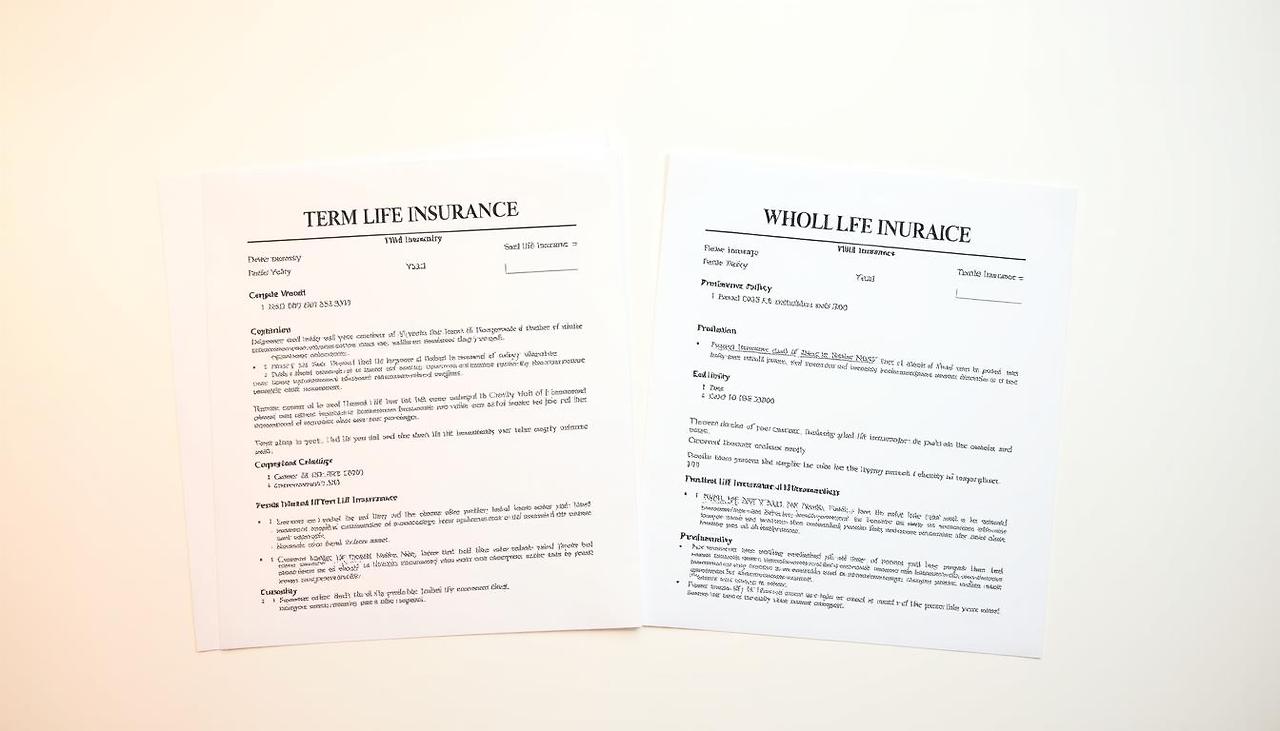
insurance coverage comparison
Tax Benefits and Implications
Both term and whole life insurance have tax implications. Generally, life insurance payouts are tax-free to beneficiaries. However, whole life insurance policies can have tax-deferred growth on the cash value, and loans against the policy are typically tax-free. It's essential to consult with a tax professional to understand the specific implications for your situation.
In conclusion, when comparing term and whole life insurance, it's crucial to consider not just the premiums but also the long-term value, including cash accumulation and tax benefits. By understanding these factors, you can make a more informed decision about which policy is best for your needs.
Finding the Right Policy for Your Situation
Determining the right life insurance policy for your situation involves a careful assessment of your financial goals and needs. This evaluation is crucial in deciding whether term or whole life insurance is more suitable for you.
Assessing Your Financial Goals and Needs
To make an informed decision, you must first understand your financial obligations, future plans, and the needs of your dependents. Consider factors such as outstanding debts, funeral expenses, and the income required to maintain your family's lifestyle. Assessing these needs helps in choosing a policy that provides adequate coverage.
Best Candidates for Term Life Insurance
Term life insurance is often ideal for individuals who need coverage for a specific period, such as until their children are financially independent or until a mortgage is paid off. It's also suitable for those on a tight budget who need substantial coverage. Term life insurance provides a straightforward and cost-effective solution for many.
Best Candidates for Whole Life Insurance
Whole life insurance, on the other hand, is more suited for individuals seeking a lifelong coverage that also accumulates a cash value over time. It's beneficial for those who want to ensure that their funeral expenses are covered or who are looking for a component of their financial portfolio that can grow tax-deferred. Whole life insurance offers a combination of insurance and savings.
When to Consider a Combination Approach
In some cases, a combination of term and whole life insurance may be the most effective strategy. For instance, you might use term life insurance to cover specific short-term needs and whole life insurance for lifelong protection and cash accumulation. This hybrid approach allows for flexibility and can be tailored to fit complex financial situations.
Ultimately, the choice between term and whole life insurance, or a combination of both, should be based on a thorough evaluation of your financial situation, goals, and priorities. By understanding the pros and cons of each type, you can make an informed decision that best protects your loved ones and supports your long-term financial plan.
Conclusion: Making Your Final Decision
Choosing between term vs whole life insurance depends on your individual financial goals and needs. We have explored the key differences, pros, and cons of each type to help you make an informed decision.
When deciding, consider your financial situation, dependents, and long-term objectives. Term life insurance may be suitable for those seeking affordable coverage for a specific period, while whole life insurance provides a lifetime safety net and a cash value component.
Ultimately, it's essential to assess your priorities and seek professional advice if needed. By doing so, you can ensure that your life insurance choice aligns with your overall financial strategy and provides the necessary protection for your loved ones.
FAQ
What is the main difference between term and whole life insurance?
The primary difference lies in the coverage period and the accumulation of cash value. Term life insurance provides coverage for a specified period, whereas whole life insurance covers the insured for their entire lifetime and includes a cash value component.
Which type of insurance is more cost-effective: term or whole life?
Term life insurance is generally more cost-effective, especially for younger individuals, as it provides coverage for a specific period without the added expense of a cash value component. Whole life insurance, while more expensive, offers lifetime coverage and a cash value accumulation.
Can I convert my term life insurance to whole life insurance?
Many term life insurance policies offer a conversion option, allowing policyholders to convert their term life insurance to whole life insurance without having to provide evidence of insurability. The specifics of this option vary by insurer and policy.
What are the tax implications of whole life insurance?
Whole life insurance policies can have tax-deferred growth on the cash value, and the death benefit is typically income-tax-free to beneficiaries. However, policy loans and withdrawals can have tax implications, and it's essential to consult with a tax professional to understand the specifics.
How do I determine whether term or whole life insurance is better for my situation?
To decide between term and whole life insurance, we recommend assessing your financial goals, income, expenses, debts, and dependents. Consider factors such as your age, health, and long-term financial plans. Consulting with a financial advisor can also help you make an informed decision.
Can I combine term and whole life insurance policies?
Yes, some individuals choose to use a combination approach, purchasing term life insurance to cover specific needs, such as income replacement or mortgage protection, and whole life insurance for lifetime coverage and cash accumulation. This strategy can provide flexibility and help achieve multiple financial goals.
How do premiums for term and whole life insurance compare?
Term life insurance premiums are typically lower, especially for younger policyholders, and remain level for the specified term. Whole life insurance premiums are generally higher and remain level for the life of the policy, but a portion of the premium goes towards building cash value.
'Life Insurance' 카테고리의 다른 글
| Life Insurance Quotes Online: Compare the Best Plans (0) | 2025.05.01 |
|---|---|
| Best Life Insurance Companies in USA for 2025 (0) | 2025.05.01 |
| Affordable Life Insurance for Seniors Over 60 (0) | 2025.05.01 |
| How to Get Life Insurance Without a Medical Exam (0) | 2025.05.01 |
| Top Life Insurance Policies for Families in the USA (0) | 2025.05.01 |


